CNNEWS24.COM সত্যের সন্ধানে সবার সাথে মিলে মিশে

CNnews24.COM
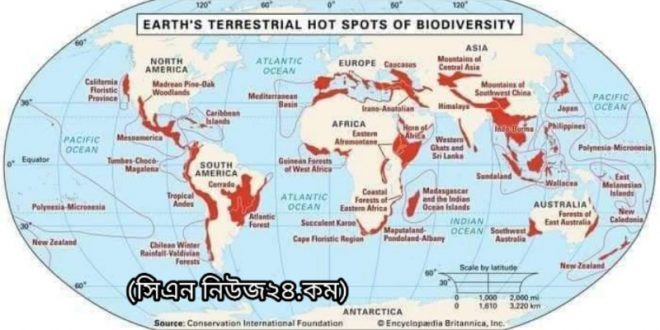
Biodiversity is defined as the totality of genes, species and ecosystems in a defined area. Everything from the smallest single-celled organism to the largest apex predator makes up the biodiversity of a given area.
Biodiversity loss, on the other hand, is the death of those ecosystems. Either the entire ecosystem is destroyed because of human action — including deforestation, urban development and farming — or enough key species in an ecosystem die that the ecosystem get down on its own.
We’re already experiencing biodiversity loss. It’s estimated that in the last four decades, we’ve lost more than 50 percent of the planet’s biodiversity. If the fact that we might lose more than 50 percent of the planet’s plants and animals in just 32 years doesn’t scare you a little bit, you might not be paying attention.
An area’s biodiversity increases and decreases with natural cycles. Seasonal changes, such as create opportunities for feeding and breeding, increasing biodiversity as the populations of many species rise. In addition, the seasonal rise and fall of plant and invertebrate populations (such as insects and plankton), which serve as food for other forms of life, also determine an area’s biodiversity.

Biodiversity loss is typically associated with more permanent ecological changes in ecosystems, landscapes, and the global biosphere. Natural ecological disturbances, such as wildfire, floods, and volcanic eruptions, change ecosystems in a big number by eliminating local populations of some species and transforming whole biological communities. Such things are temporary, however, because natural disturbances are common and ecosystems have adapted to their challenges.
Forest clearing, wetland filling and road and building construction are often part of a systematic effort that produces a material change in the ecological way of a landscape or a region. As human populations grow, the terrestrial and aquatic ecosystems they use may be transformed by the efforts of human beings to find and produce food, adapt the landscape to human settlement, and create opportunities for dealing with other communities for the purposes of building wealth. Biodiversity losses typically support these processes.
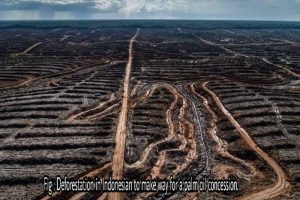
People depend on biodiversity in their daily lives . Human health ultimately depends upon ecosystem products and services (such as availability of fresh water, food and fuel sources) which are vital for good human health and productive livelihoods. Biodiversity loss can have significant direct human health impacts if ecosystem services are no longer enough to meet social needs. Indirectly, changes in ecosystem services affect livelihoods, income, local migration and, on occasion, may even cause political conflict.
Biodiversity is the pillar that allows ecosystems to function and humans to thrive. Without biodiversity in an ecosystem we would not have the many plants and animals we find in our world today, including us. Biodiversity is the “biological diversity in an environment as indicated by numbers of different species of plants and animals.”
The different plants and animals in an environment work together to maintain balance in the ecosystem . These interactions create functioning systems that provide food, medicine, and new technologies for us.
Unfortunately, as we have spread across the globe we have disrupted and destroyed many ecosystems by reducing their biodiversity. This damage can be seen in many places, like reduced crop yields in developing countries and the increasing rate of animal putting out .
Jahid Hasan Shuvo
Department of Environmental Science and Disaster Management
Noakhali Science and Technology University